
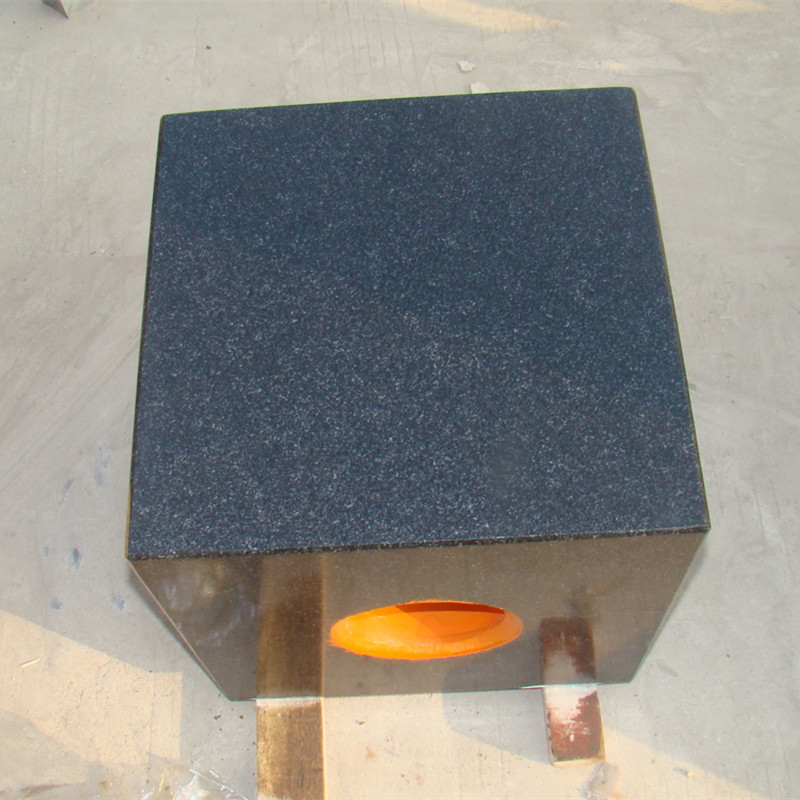
600mm round mirror
How to Turn Off a Water Valve A Step-by-Step Guide Turning off a water valve is a crucial skill for homeowners and renters alike. Whether you are addressing a plumbing issue, conducting repairs, or preparing for a winter season, knowing how to properly shut off your water supply can save you from costly damages and ensure a safe living environment. In this guide, we will walk you through the steps to turn off your water valve effectively. Step 1 Locate the Water Valve The first step in turning off your water supply is to locate the main water valve. This valve is typically found near where the water line enters your home. Common locations include - Basement or Crawl Space If your home has a basement, the main water valve is often located there. - Outside In some houses, the water valve can be found on an exterior wall or in an underground valve box close to the street. - Near the Water Heater Sometimes, the main valve is situated near the hot water heater. Tip If you have trouble locating the valve, follow the main water line from the municipal connection into your home. Step 2 Identify the Type of Valve Water valves come in different types, and it's essential to know which type you are dealing with to proceed correctly. The most common types include - Gate Valve This type features a round handle that you turn clockwise to close the valve. - Ball Valve Look for a lever or handle. For a ball valve, you typically turn the lever 90 degrees to shut it off. - Compression Valve This valve has a round handle that you will turn clockwise to shut off the water. Step 3 Turn Off the Valve Now that you have located your valve and identified its type, it’s time to turn it off . - For Gate Valves Turn the handle clockwise until it can’t turn anymore. This may take several rotations. - For Ball Valves Turn the lever perpendicular to the pipe to shut off the valve. - For Compression Valves Turn the handle clockwise until firmly closed. how to turn off water valve Step 4 Test the Valve After turning off the valve, it is wise to check and ensure that the water supply has been effectively cut off. To do this 1. Turn on a faucet in your home, ideally one on the same level as the valve, and observe if water is still running. 2. If there is no water flow, congratulations! You have successfully turned off the water supply. Step 5 Drain the Pipes (if necessary) If you are planning a significant plumbing project or leaving your home for an extended period, it may be beneficial to drain the pipes. Here’s how to do it 1. Open the faucets in your home to allow any remaining water to escape. 2. Flush the toilets to empty the tanks. 3. You may also want to drain the water heater to prevent any issues during your absence. Step 6 Turn the Water Back On Once your repairs or maintenance tasks are complete, you will need to turn the water back on. To do this, follow the same steps in reverse 1. Locate the water valve. 2. Identify the type of valve. 3. Turn the valve counterclockwise for gate and compression valves, or switch the lever back to parallel for ball valves. 4. Turn on a faucet to let air out of the pipes and check for leaks. Conclusion Knowing how to turn off the water valve is an essential skill that can help you manage plumbing issues effectively. Whether you are handling a minor leak or shutting off the water for repairs, following these steps ensures you do it safely and efficiently. Always remember to locate the valve in advance, familiarize yourself with its type, and take the necessary precautions to protect your home from water damage. Taking these steps can empower you to handle plumbing concerns with confidence.
about
600mm round mirror
The Unseen Role of Pigeon Spikes A Tale of Urban Coexistence In the bustling heart of our cities, an often-overlooked aspect of urban design plays a crucial role in maintaining public space hygiene and safety - pigeon spikes. These seemingly insignificant metal or plastic protrusions, known as pigeon spikes, have become a ubiquitous feature on ledges, statues, and rooftops, serving as a deterrent against our feathered friends. Pigeons, with their innate adaptability, have thrived in the concrete jungle, making them a common sight in parks, squares, and cityscapes worldwide. While they add a touch of nature to our urban lives, their droppings can pose significant problems. Not only are they unsightly, but they can also cause damage to buildings, infrastructure, and even pose health risks due to the presence of harmful bacteria and fungi. Pigeon spikes, though often seen as an aggressive measure, are actually a humane way of managing these avian populations. Unlike other methods such as poison or traps, spikes do not harm the birds directly. Instead, they create an uncomfortable landing surface, discouraging pigeons from perching and nesting in unwanted areas. This strategy promotes a balance between human habitation and wildlife coexistence without resorting to lethal measures. The installation of pigeon spikes is a testament to the evolving relationship between humans and wildlife in the modern era The installation of pigeon spikes is a testament to the evolving relationship between humans and wildlife in the modern era The installation of pigeon spikes is a testament to the evolving relationship between humans and wildlife in the modern era The installation of pigeon spikes is a testament to the evolving relationship between humans and wildlife in the modern era pigeon spikes . It reflects our understanding of the need for urban planning that considers the impact on all inhabitants, including non-human ones. However, it also raises questions about the ethical implications of altering natural behaviors and the responsibility we have towards the creatures sharing our spaces. Furthermore, while pigeon spikes offer a practical solution, they are not a comprehensive answer to the complex issue of urban wildlife management. They do not address the root causes of overpopulation, such as the abundance of food sources and lack of natural predators in urban environments. Therefore, alongside physical deterrents, there's a need for broader strategies that include education, waste management, and habitat modification. In conclusion, pigeon spikes are a small yet significant part of our urban landscape, symbolizing the ongoing negotiation between human development and wildlife conservation. They serve as a reminder of the delicate balance we strive to maintain in our cities, and the constant adaptation required to ensure a harmonious coexistence. As we continue to shape our urban environments, let us remember the role these humble spikes play in fostering a more sustainable and considerate future.
-

High quality industrial productsagement

High quality industrial products
View Details -

Meet the diverse needs of customers

Meet the diverse needs of customers
View Details -

Strict quality control

Strict quality control
View Details -

Top raw materials

Top raw materials
View Details -

Trusted supplier

Trusted supplier
View Details
Our application
news and information
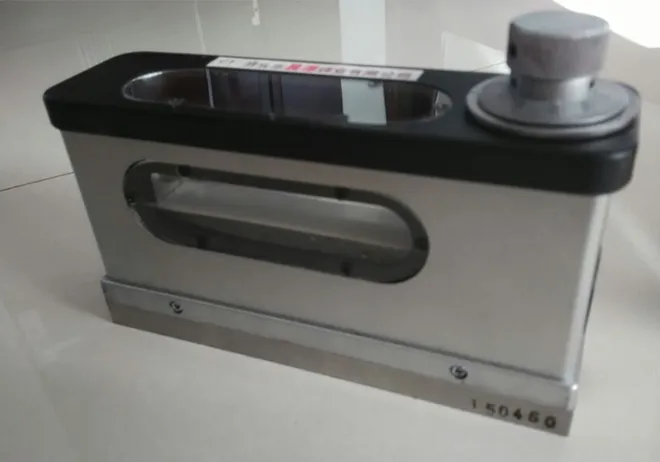
Welding Inspection Ruler for Accurate Joint Measurement and Quality Control
The Importance of Welding Inspection Rulers in Quality Control Welding is a critical process in nume

Valvola di ritegno tipo disco
Controllo dei Valvole a Terra con Disc Type Il controllo dei valvole a disco è un aspetto fondamenta
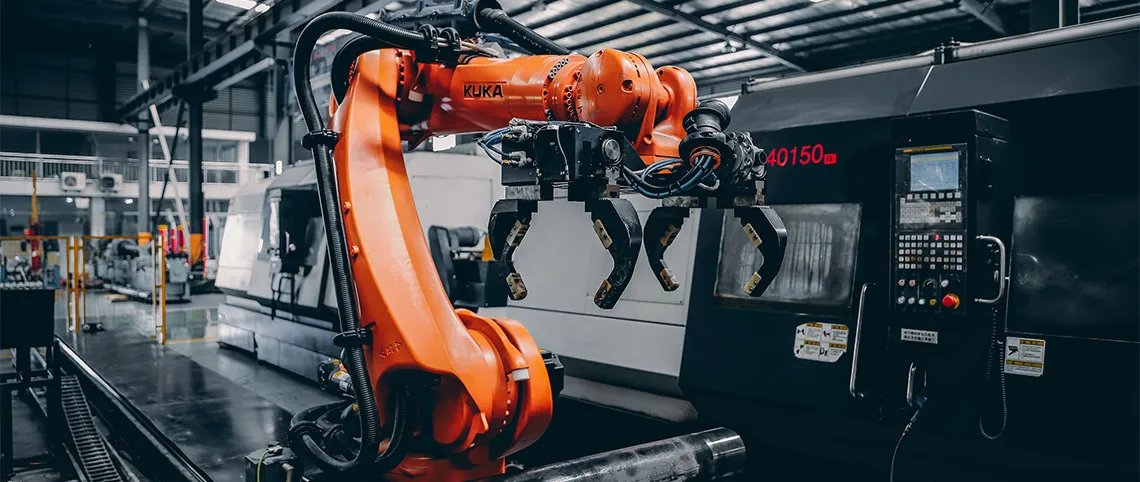
Utilização de réguas paralelas
Uso do Régua Paralela Uma Ferramenta Essencial para Precisão em Desenhos e Projetos O uso da régua p
 English